Enneagram Wing Test
Each question describes an everyday situation with four possible answers. Pick the one closest to what you would do and go with the first reaction. The test takes about 12 minutes, and at the end you see a combination of core type and wing, such as 4w3, with a short text on how it shows up at work and in decisions.
1w9
Quiet example is how a 1w9 teaches standards.
Nobody gets a speech about quality. The report is accurate and the shelves are labeled, so teammates take the hint. This Reformer with a Peacemaker wing lets the finished work make the point, and people find it restful to share a project with someone so level.
Convictions are firm but seldom announced. When a disagreement about quality comes up, a 1w9 states the position one time and leaves the other person room to think. Decisions follow a stretch of quiet consideration and then hold. When a review asks for improvements, a list of three concrete fixes is already in the drawer.
Irritation stays inside. A sloppy handover noticed on Monday may be fixed by hand on Thursday without a word, which postpones the conversation that would clear it up. Colleagues sometimes hear about a long-held annoyance only after it has grown.
It helps a 1w9 to say a small annoyance out loud on the day it appears, in a sentence or two.
1w2
For a 1w2, caring about quality means getting involved.
On a Saturday morning the neighborhood cleanup has one more volunteer, and a new colleague gets a walk-through of the process, step by step, with the 1w2 staying until it runs smoothly. A crooked shelf gets fixed together with whoever is nearby, the way a Reformer with a Helper's warmth would do it.
People feel the care behind a correction, so feedback from this type is usually welcome. In meetings a 1w2 proposes a concrete next step and volunteers to take the first one. A 1w2 is the person who stays after the meeting to stack the chairs.
Causes draw this type in. A petition or a school committee can fill several evenings a week, and principles turn into schedules and phone calls.
Tasks tend to stay on this person's desk because others do them slightly differently, and personal time shrinks into other people's projects.
A 1w2 can try handing over one complete task a week, along with the freedom to do it differently.
2w1
Doing the right thing for others comes first for a 2w1.
A sick friend receives a meal on the promised evening, and a family moving house gets a proper checklist. The Reformer pull shows when a favor must arrive exactly as promised. Birthdays and deadlines both stay in mind, and gifts arrive wrapped and on time.
The bearing is reserved and slightly formal. Warmth shows in reliable actions, and a 2w1 can sound brisk when the feeling underneath is plain care. At work this is the colleague who remembers the allergy and the deadline and mentions neither.
The standards apply to the giver first. A favor that went a little wrong brings self-criticism, and the formality can hide how much the help meant. Thanks is received politely and filed away with some embarrassment.
A plain "I enjoyed doing that" after a favor is worth adding, even when the favor was not perfect.
2w3
Charm and a good eye for the audience stand out in a 2w3.
Introductions happen before anyone asks. At a gathering this type remembers names and links people who ought to know each other, and new colleagues feel welcome within a day. Handwritten place cards and a printed program appear at the dinner, just as a Helper with an Achiever's eye for polish would arrange. A project with visible results brings out sharp organizing, and parties this person plans tend to run on time.
Helping comes with a goal attached. A fundraiser is planned around a target, and the 2w3 pays attention to whether people notice the effort and say so. Compliments on an evening are taken in and enjoyed.
When thanks fails to arrive, the mood dips and the next offer of help grows larger, as if to earn the missing credit. Rest gets squeezed while the guest list grows, and friends may sense that a generous gesture carried an expectation.
When the urge to offer help arrives, it pays to ask first what the person actually needs.
3w2
Goodwill does a lot of the work for a 3w2.
A manager sends the interesting project this way, and a client asks for the same person again. Achievers with a Helper wing build results on friendly relationships, and teams enjoy the encouragement. A new teammate gets a lunch invitation in the first week.
A 3w2 reads the room and adjusts the tone to whoever sits across the table, so first meetings go well. Networking events feel natural, and follow-up messages go out the same evening with a personal line in each. Deadlines hold more often because colleagues step in gladly for someone they like.
Approval fuels the effort. New requests are hard to decline, and weekends fill with favors for colleagues and clients until the quality of each piece starts to slip. Feeling liked becomes tied to output.
A 3w2 who picks the week's three priorities before opening the inbox may find declining the rest much easier.
3w4
A 3w4 wants a finished piece to mean something.
A project gets rebuilt until the finish is worth showing, and a creative angle often decides which opportunity to accept. Presentations carry a distinct point of view, with details chosen on purpose. The 3w4 spends extra weeks on the one detail that makes a piece distinctive, and the finished work usually has a signature feel.
Recognition matters, but a prize for something that felt hollow brings little satisfaction. The 3w4 picks the assignment with depth over the one with the bigger audience, and the output tends to read as polished and personal. Teammates hand over the part of a project that needs taste.
Work done this way takes time and happens alone. Others see the result without the long stretch of private effort, and a project shipped on schedule can still feel unfinished if the idea behind it got no room. Between launches the mood turns inward.
A 3w4 may find it easier to show a rough version to one trusted person halfway through.
4w3
Wanting to be noticed, a 4w3 puts personal work before an audience.
A portfolio stays current and a performance is on the calendar. Standing in front of people feels natural, and applause is taken in and remembered. The Achiever pull shows when a private idea becomes an event with a title and a date.
Drive and a feel for presentation carry ideas a long way. Wording and timing are chosen with care, so personal material reaches people in a form they remember. In a team, a plain proposal leaves the 4w3's hands with a voice of its own.
Image matters to this type. A day without response to a new piece feels heavy, and the next piece may bend toward whatever seems likely to be liked. Over time the first impulse can sit under a lot of finish.
Finishing one piece purely for private enjoyment, with no plan to publish it, is a useful exercise for a 4w3.
4w5
The inner world of a 4w5 stays behind closed doors.
A strong mood is written down and turned over from several angles before anything is said aloud. Notes and drafts pile up in folders that only the author opens. The 4w5 keeps a notebook of observations about personal moods, each entry dated and cross-referenced, as if the feeling were a puzzle to solve.
Independence matters here. On a team, a 4w5 takes the part that can be done alone and handed over finished, and the results are original and carefully reasoned.
In company this type listens closely and speaks once a view has formed. Close friends are few, and each bond runs deep.
Friends may not know what is happening for weeks, and a feeling that one conversation could settle stays in the notebook. Invitations for a weekend together get answered a day late.
A useful habit for a 4w5 is sharing one unedited line from the notebook with a friend each week.
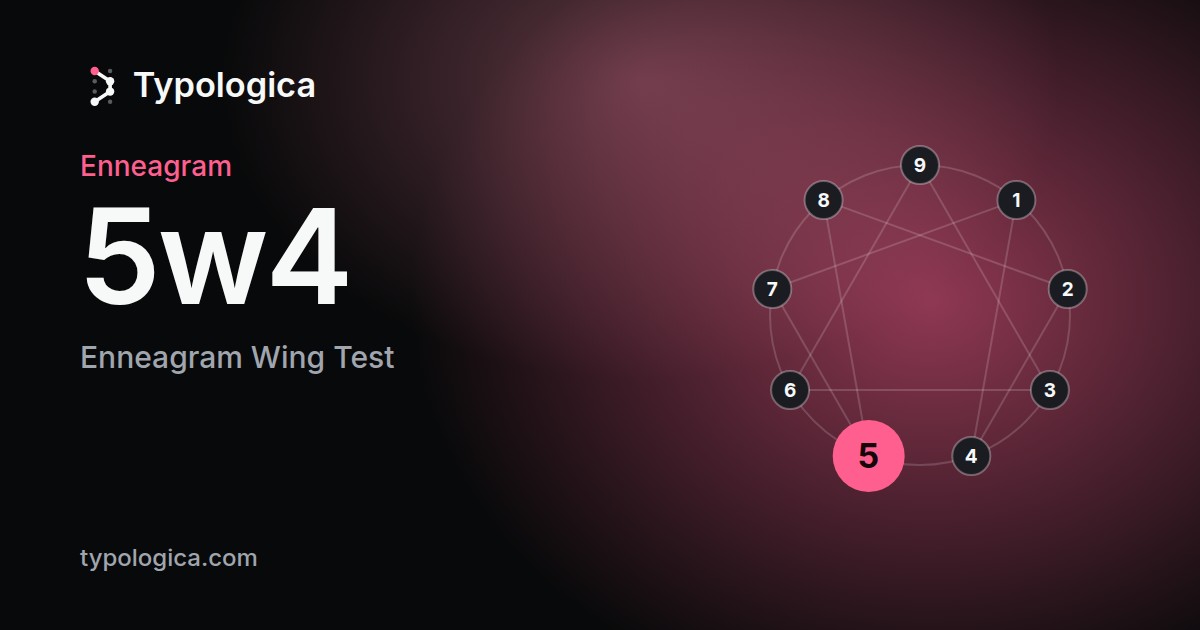
5w4
Odd, original ideas draw a 5w4 in.
A question about music or machines becomes a personal project, and late evenings go into a documentary or a half-built prototype. The Individualist pull shows when a theory gets explained through a scene from a novel.
Ideas arrive with a mood. A 5w4 senses the emotional tone of an argument or a design, and that sense shapes the explanation that follows. Examples from outside the field make dense topics easier to follow, so colleagues come to this person for the angle nobody else considered. Margin notes about why a formula feels elegant sit beside the calculations.
Thinking takes room. When a topic turns heavy, the 5w4 withdraws to a quiet space, and colleagues may meet a closed door just as a conversation was about to start. Replies tend to arrive in one thoughtful block once the thinking is done.
When a thinking break is coming, it pays to tell colleagues roughly when the door reopens.
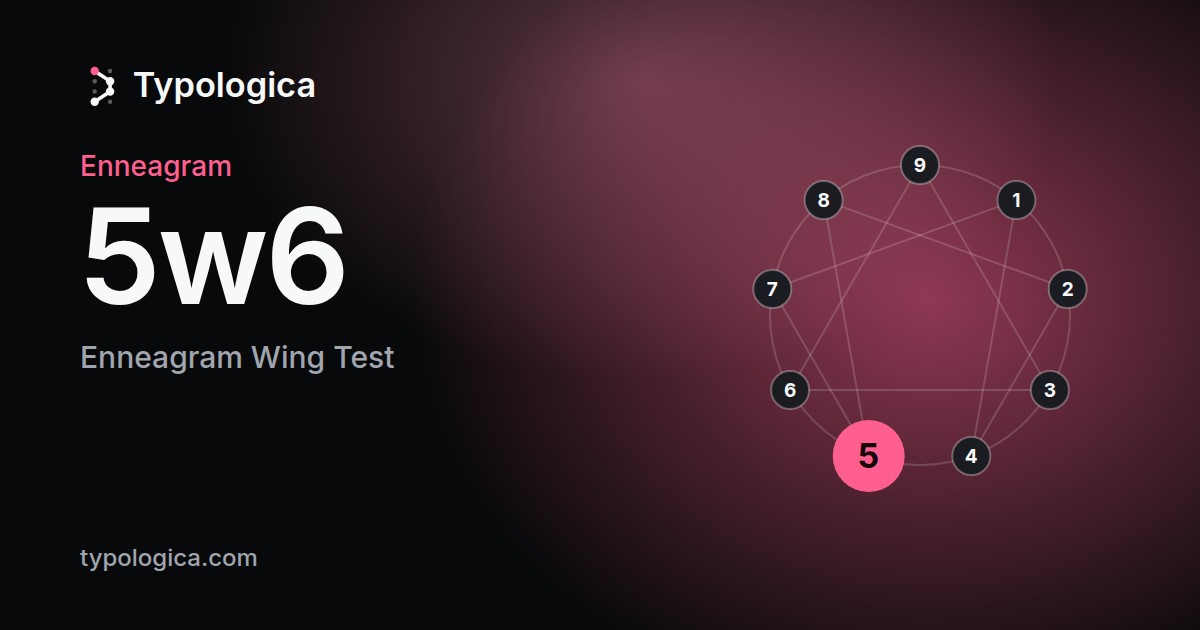
5w6
Knowledge matters to a 5w6 when it fixes something real.
Before a workshop the materials are tested and a backup plan exists, and questions from the audience have usually been anticipated. This Investigator with a Loyalist wing tests every demo on a colleague before showing it to the room.
Knowledge flows into documents and into answers for colleagues, and a 5w6 likes seeing the whole group benefit. Newcomers find this person approachable once a topic comes up, and mentoring junior colleagues comes naturally.
Decisions follow a checked procedure. Options are compared in a table, and the choice arrives with its reasons attached. A new hire receives a one-page guide to the team's tools.
Preparation can run long. A project may stay in the study phase while one more source is read, and the start date drifts. A shared deadline with a partner moves the first draft along.
A 5w6 can try fixing a date for the first draft before the research begins.
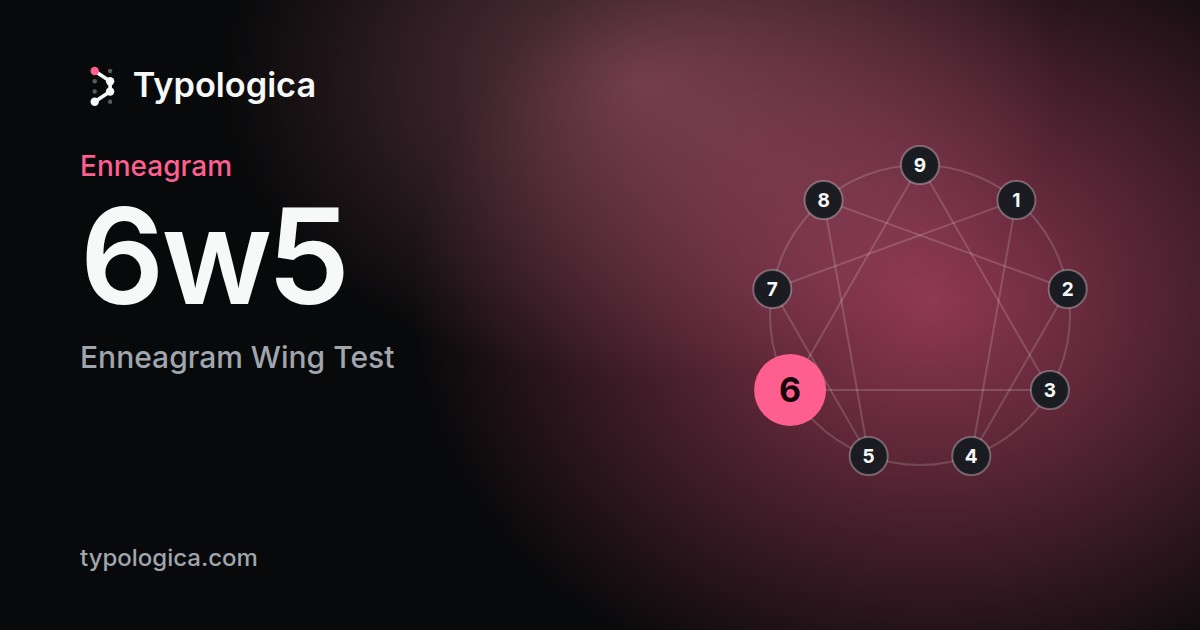
6w5
Before agreeing to anything, a 6w5 reads up on it.
A purchase or a new tool goes through a quiet period of comparison first, and contracts are read to the end with the fine print underlined. Asking where a number came from before accepting it is typical of a Loyalist who looks for certainty in evidence.
The bearing is reserved and doubtful of easy promises. New people get time to show consistency, and loyalty forms slowly and lasts. Trusted friends are few, and each has passed years of small tests.
In a team, this type spots the weak point in a proposal and asks about it politely. Doubt sometimes turns on good news too: an offer that checks out can still draw another round of questions, and the decision arrives after the moment has passed. Friends learn to bring evidence along when they want a yes.
It helps a 6w5 to decide in advance what evidence would be enough to say yes.
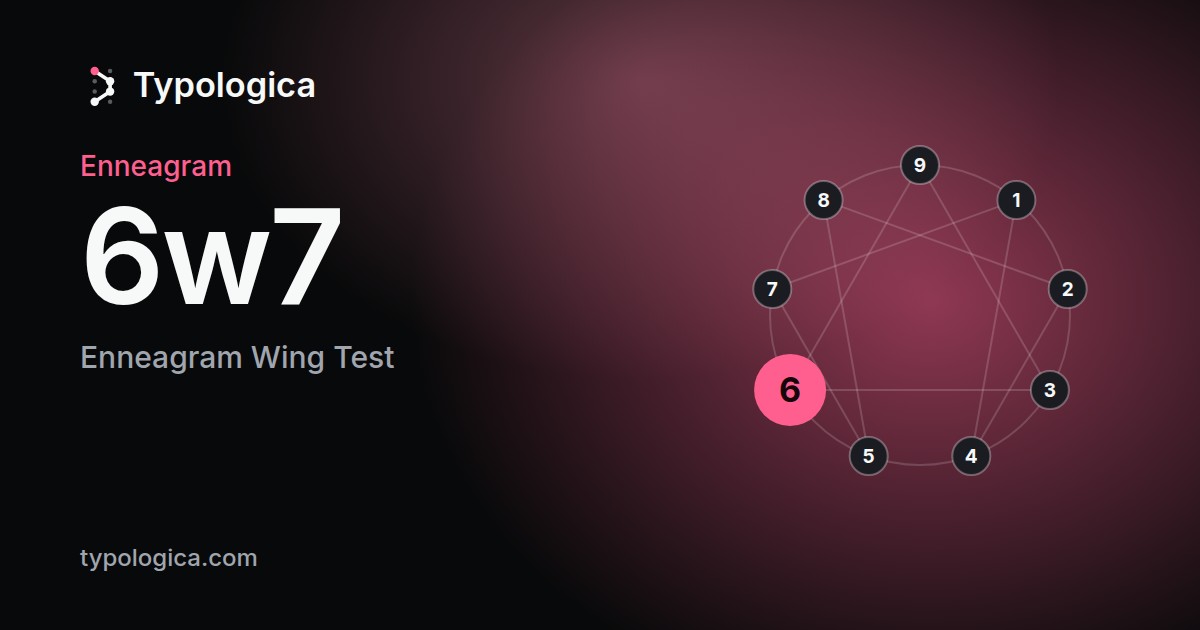
6w7
Humor and company take the edge off worry for a 6w7.
Before a big meeting this type jokes with colleagues and takes a lap around the building. Office parties and team trips often get organized by this person, who remembers who needed a check-in call and who needed a laugh. Loyalists who find reassurance in company, as the 6w7 does, would rather talk a plan through over lunch than study it alone.
Activity gives worry somewhere to go. Planning a trip or joining a new group takes the pressure off, and friends enjoy the energy. Humor lightens a tense meeting and makes it easier for others to voice doubts.
Reassurance matters to this type. A 6w7 asks several people the same question and weighs the answers, and the cheerful surface can hide how much doubt is still working. Decisions are revised after each new conversation.
Writing the worry in one line before calling anyone for reassurance is worth trying for a 6w7.
7w6
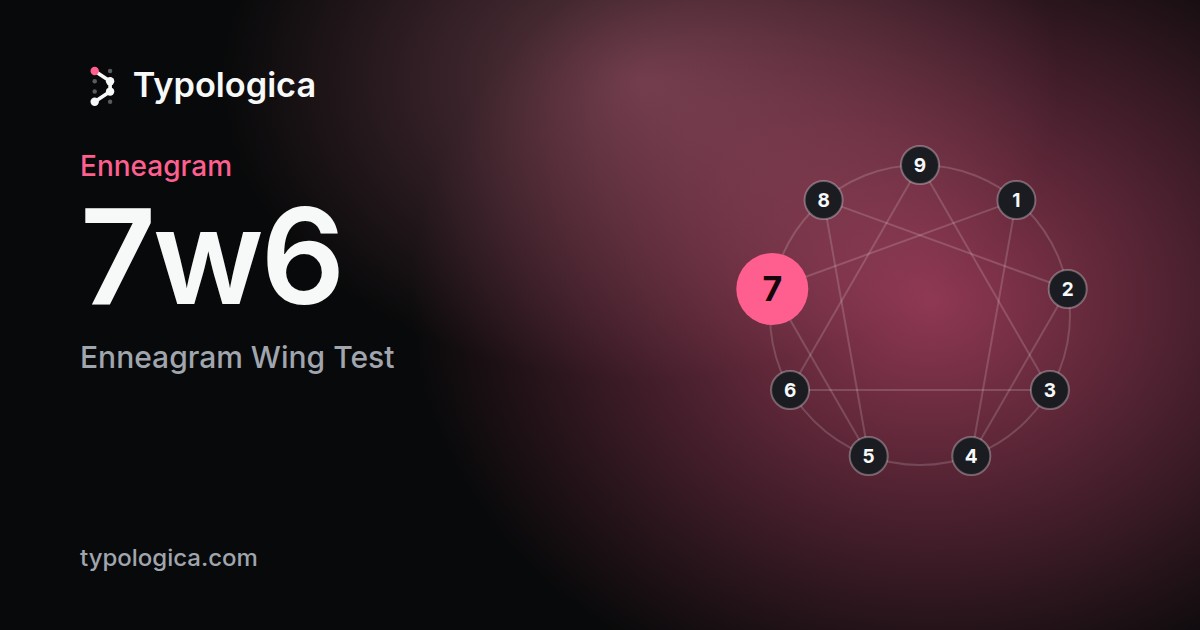
Fun and follow-through live side by side in a 7w6.
A weekend trip comes with a booked train and a short list of places to try, and the schedule still leaves room for a detour. Friends are invited early, with details attached. A canceled flight turns into a rerouted trip with a new itinerary by lunchtime. Enthusiasts who lean on the Loyalist side, such as the 7w6, check the opening hours before leaving for the lake.
Promised deadlines are met, and colleagues rely on the cheerful person who also remembers the follow-up email. Presentations come with a clear structure and a joke placed on purpose. New projects start lively and a checklist keeps them moving.
Yes comes easily, and the calendar fills. Several appealing commitments end up overlapping, and rest time disappears without anyone choosing it. Fear of missing out turns declining an invitation into a small loss.
A 7w6 who leaves one evening a week unbooked may find the calendar easier to live with.
7w8
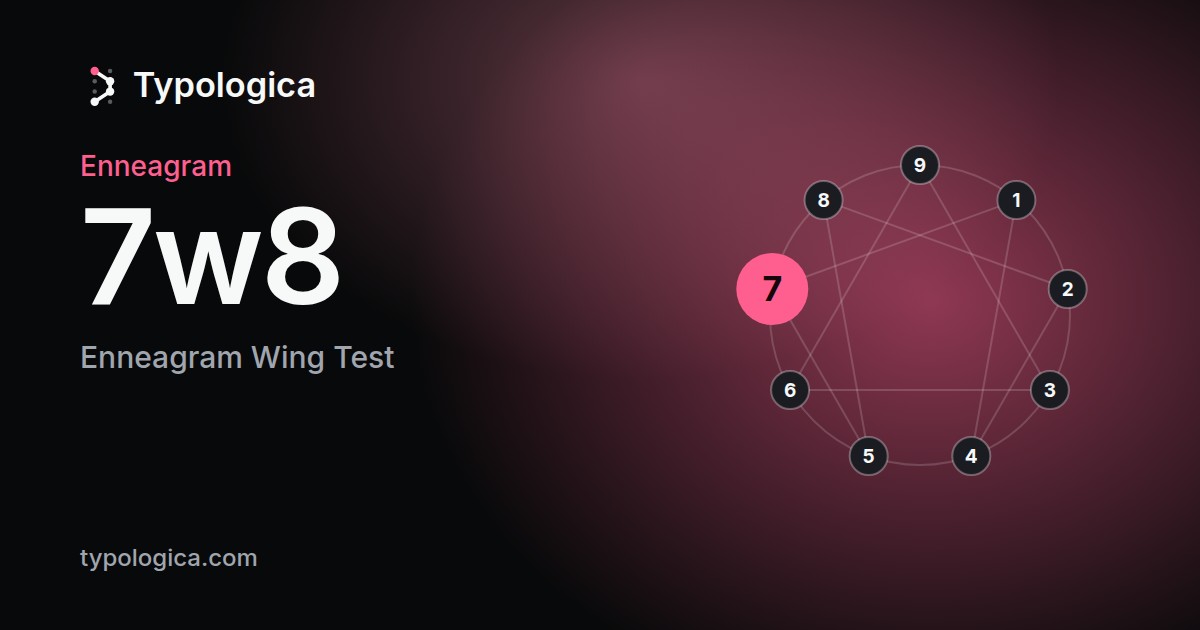
Directness is the first thing others notice about a 7w8.
A goal is named in the first sentence of a meeting, and offers are made on the first call. Prices get asked about openly and discounts get requested without embarrassment. The Challenger pull shows when the venue is booked before the guest list exists.
Details bore this type. Contracts and schedules get a quick skim, and the energy goes to the next opportunity. Several projects run at once, and a stalled one often restarts when the 7w8 joins. Teams that like speed work well with this person.
Other people's approval carries little weight in these choices. The idea is launched first and opinions are gathered afterward, which speeds things up and sometimes leaves colleagues feeling skipped. A teammate who wanted to review the plan first finds the launch already under way.
Having a trusted colleague read the fine print before signing is sensible for a 7w8, even if it costs a day.
8w7
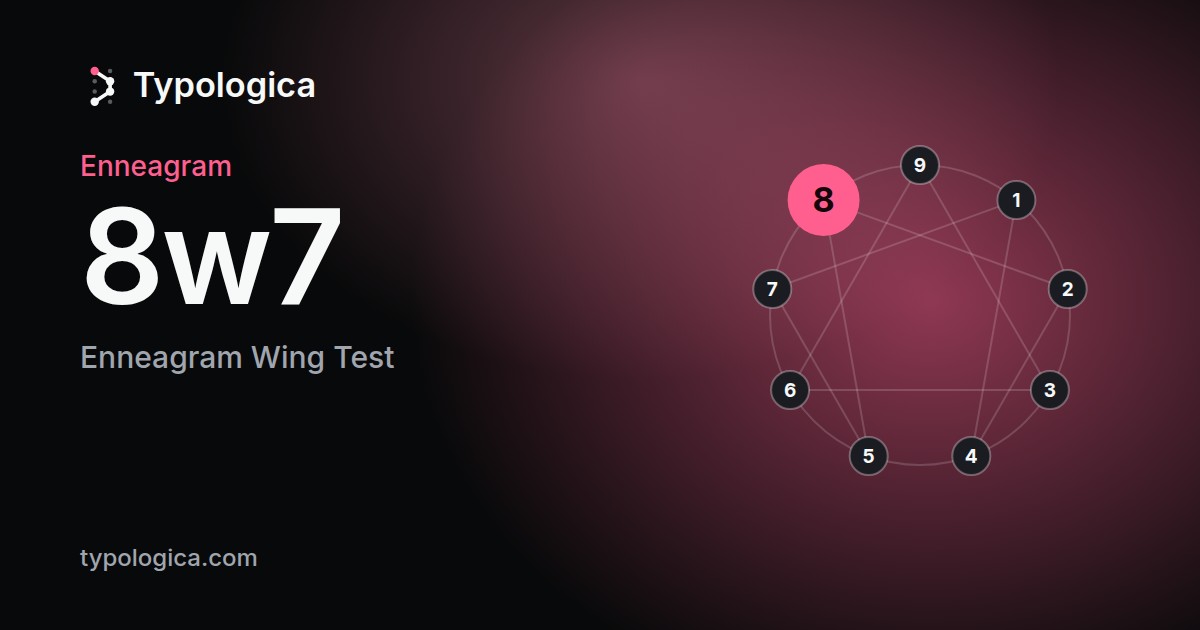
An 8w7 takes charge and goes looking for adventure.
A new market or a trip with no itinerary looks like a chance to test strength. Plans are made fast and changed fast. A Challenger with an Enthusiast's appetite, the 8w7 signs up for the rapids trip before checking who else is coming.
Freedom matters a great deal. The 8w7 resists schedules imposed from outside and works well when the goal is clear and the route is open. Long hikes and physical challenges hold a particular appeal, and friends in need find this person at the door within the hour.
Directness comes naturally, and a disagreement is settled out loud on the spot. Meetings run on this person's energy, and decisions come quickly. Stories and plans fill the air, and quieter people may leave without having said what they thought.
An 8w7 may find it easier to ask one more person for a view before announcing a verdict.
8w9
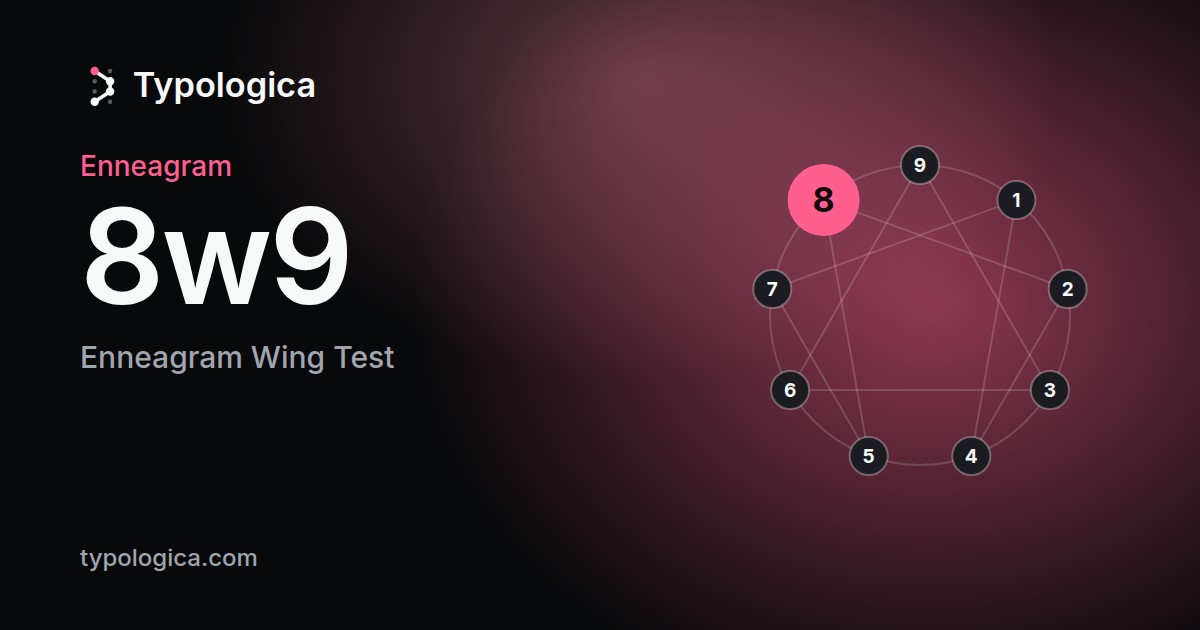
Authority comes quietly to an 8w9.
A decision is made and explained in plain terms, and big announcements arrive without drama. Meetings are short, and nobody leaves wondering about the outcome. This Challenger with a Peacemaker wing states a small point once, in plain words, and waits for an answer.
Fairness matters, and the person with less power in an argument often finds an ally here. A conflict that has no purpose gets defused early with a joke or a change of subject.
Newcomers and junior staff receive steady backing, and protective instincts show in how work is shared out. Disputes between teammates reach this person early because the verdict is trusted.
Quiet handling of conflict leaves some topics unspoken. Small points get said out loud, but a deeper disagreement can sit for weeks, and the 8w9 carries the tension alone until it emerges as one firm sentence. Friends may discover what bothered this person long after the event.
A useful habit for an 8w9 is raising a difficult point in the first meeting.
9w8
Calm is the default setting for a 9w8.
Plans from other people usually get a cheerful yes, and neighbors and coworkers bring problems to this person because the response is steady. Free time is protected for family and quiet hobbies. A Peacemaker with a Challenger's backbone, the 9w8 says yes to the dinner plan and no to the extra shift.
A boundary appears when something matters. If a request would take a family weekend, the 9w8 declines in a level voice and holds the line when pressed. The refusal is brief and hard to argue with.
Other people's agendas and sudden changes meet quiet resistance. A new process at work may win polite agreement in the meeting and slow cooperation afterward. A change of plan needs a good reason before it is accepted, and the pushback rarely takes the form of an argument.
When a small preference comes up, it pays a 9w8 to state it early.
9w1
A 9w1 pairs a gentle manner with firm convictions.
Ideals about fairness are held firmly and offered when asked. Meetings run more evenly with this person present, and a shared document or a fair chore rotation gets quiet attention. Others receive a patient hearing. Reading the whole agenda beforehand and noting the item that seems unjust is how a Peacemaker with a Reformer's sense of fairness prepares.
Decisions are weighed at length. Which job offer to accept, or how to split a bill fairly, gets turned over for days. Friends describe the person as principled and unhurried. The slow pace can frustrate colleagues who want an answer at once.
The calm helps in tense rooms, and the principles give a steady reference point when others waver. Waiting for the right answer can leave a matter open past the deadline, and a quiet resentment may build around unsettled questions.
A 9w1 can try setting a time limit for each decision and choosing the option that fits the principle when it ends.
Keys 1–4 pick an answer
Continue the test?
Answers not sent
The result didn’t arrive because the site couldn’t be reached. All your answers are saved in this browser, so there’s no need to retake the test.
Your type:
One type that explains it all
Five tests, five results, and not one tells you why the same things keep happening to you. The CoreTypes system gives the answer many people spend years looking for: why your life plays out exactly the way it does.
Take the free testOther types
Select a type to read its description and compare it with yours.
Tests in this system
About the test
Methodology
The test presents 63 everyday situations with four answers each. Every answer carries weights for four of the 18 combinations, and the weights are added up over the whole test. The combination whose total is ahead of all others is shown, so the core type and the wing come out of one pass through the questions.
The weights follow a simple logic. An answer typical of a core type counts fully toward both wings of that type, and counts for less toward the two combinations in which that type appears as the wing. An answer that also shows the manner of one particular wing adds extra points to that single combination. Some questions compare core types, and others compare closely related combinations such as 4w3 and 3w4.
The wing idea comes from the traditional teaching of the nine-type Enneagram, in which every type has a neighbor on either side of the circle. A combination is written as the core type, the letter w and that neighbor, so 4w3 reads as type 4 with a neighbor of 3. The 18 combinations are areas of the circle, two beside each core type, and an overview of the system offers background.
The test relies on a person's answers about themselves. Close totals are common between the two wings of one type and between mirrored pairs, so the neighboring combination often reads as a fair alternative.
Author: Lex Tarrel, Creator of the CoreTypes system
Sources
- Riso, D. R., & Hudson, R. (1999). The wisdom of the Enneagram. Bantam Books.
- Hook, J. N., Hall, T. W., Davis, D. E., Van Tongeren, D. R., & Conner, M. (2021). The Enneagram: A systematic review of the literature and directions for future research. Journal of Clinical Psychology, 77(4), 865-883. doi:10.1002/jclp.23097
- Edwards, A. C. (1991). Clipping the wings off the enneagram: A study in people's perceptions of a ninefold personality typology. Social Behavior and Personality, 19(1), 11-20. doi:10.2224/sbp.1991.19.1.11
Frequently asked questions
What is an Enneagram wing?
A wing is one of the two types that sit next to a person's core type on the Enneagram circle. It adds a shade to the core type and leaves the core type itself in place. The pairing is written as the core type, the letter w, and the wing, for example 2w1 or 2w3.
Should I know my Enneagram type before a wing test?
No. One run of the test covers the core type and the wing together, so knowing the type in advance is optional. A person who already knows their type can go straight to the part of the result that describes the wing.
Can you have both wings?
Both neighbors of a core type can show up in the same person's answers. The result names the combination with the larger total, and the text for the other combination of that type is worth a read as well.
Are Enneagram wings scientifically proven?
No. Scientific research has not confirmed the existence of wings. Wings belong to Enneagram teaching, where each core type is described together with its two neighbors. The test counts the answers by fixed weights and shows the combination whose total is ahead of the rest, and a result is read as a description to compare with one's own experience.
Do Enneagram wings change over time?
The test describes where the answers lean at the moment of taking it. A result describes the answers given on that day. Taking the test again later shows whether the pattern has stayed the same, and both results can be read side by side.